
Why are Native Plants so Important?
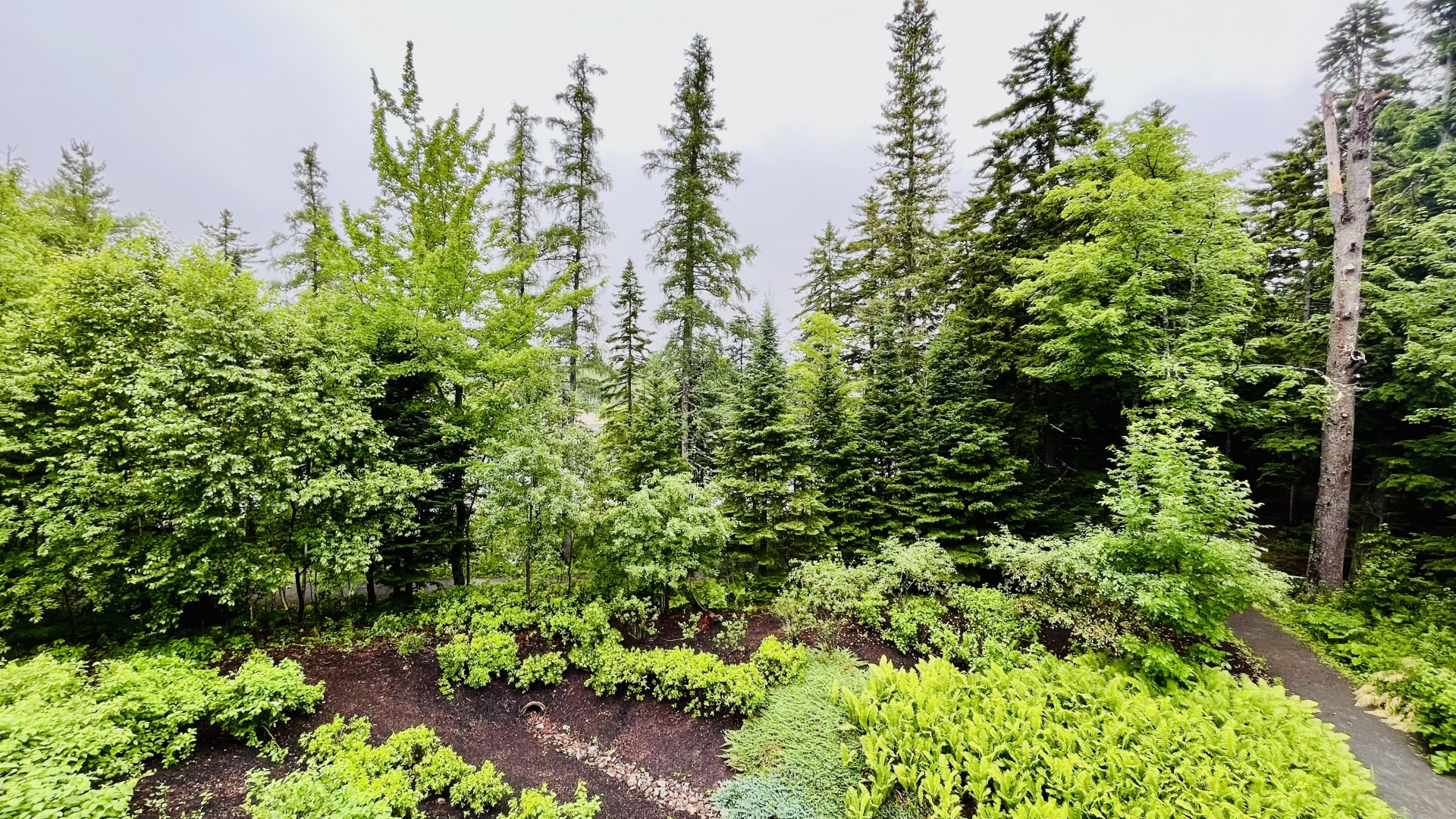
Native plants play a crucial role in maintaining healthy ecosystems. They help support food webs by providing shelter and food for wildlife, including birds, mammals, and insects. Many pollinators, such as bees and butterflies depend on native plant species for survival and successful reproduction. By supporting native plants, we help preserve biodiversity and ecosystem resilience.
Native Plants vs. Introduced Plants
Native plants are plant species that have naturally occurred in a specific region without human intervention. Over time, they have co-evolved alongside local wildlife and ecosystems, forming important ecological relationships.
Introduced plants are species that have been brought to a region through human activity or the expansion of their natural range because of climate change. They fall into three categories:
- Cultivated plants: plants that are propagated through human intervention and have been introduced to a specific region by humans for cultivation.
- Naturalized plants: plants that have established themselves in an area where they are not native and persist without human intervention.
- Invasive plants: naturalized plants that can be harmful to human health, infrastructure, and the region’s ecosystem.
What Can You do to Help?
You can help protect and promote native plants through simple actions and by being mindful of what you plant in your own garden. Plant Wise is a national program to help people understand what invasive plants are, why they are harmful, and how to make better choices in their gardens.
The following are some suggested practices to be “Plant Wise” and support native plants and pollinators in your own garden:
- Choose native species for your gardens or landscaping
- Avoid planting non-native or invasive species
- Select plants native to the region that can grow in your garden conditions
- Inspect plants for insects, worms, and egg masses before planting
- Purchase locally grown plants or seed mixes that are properly labelled
- Be wary of wildflower mixes that often contain invasive species
- Inspect your garden for unusual plants, insects, worms, or signs of disease
- Dispose of invasive plant materials and seeds responsibly. Don’t put them in the compost or include them in your curbside yard waste. Instead, bag them securely and dispose of them in the garbage
- If you find an invasive species remove it using site-and species-appropriate methods. Some invasive species require specific removal methods to prevent them from regrowing or can be dangerous to handle and require extra precautions.
- Encourage local gardens, nurseries, and clubs to promote and sell native plants
- Share knowledge and raise awareness with friends, family, and neighbours about the benefits of native plants
What Your City is Doing to Help
The City of Fredericton, in alignment with the Climate Change Adaptation Plan, is committed to supporting local biodiversity and enhancing our urban ecosystems through a variety of efforts, community-based initiatives, and partnerships. These efforts aim to protect native plant species, enhance habitat for pollinators, and create more resilient green spaces in the City. Visit our Pollinator page to learn more about past, present, and upcoming projects.
How Can I Identify Native or Invasive Plants?
There are several great resources available to help you identify native plants to include in your garden and invasive species to avoid:
FireSmart Landscaping

As climate change continues to make our summers hotter and drier, it is also important to consider how your landscapes can reduce the risk of wildfire. FireSmart Landscaping focuses on designing and maintaining yards in ways that lower your risk and slow the spread of fire near homes and communities.
It involves choosing plants that are less flammable, maintaining healthy, well-spaced vegetation, and reducing the amount of dead or dry plant material on the landscape that can act as fuel. FireSmart guidelines recommend that the area within 1.5m of your home is free of any combustible materials, including vegetation, mulch, firewood, and debris, to reduce the risk of ignition from embers.
Using well-selected native plants can also play an important role, as they are better adapted to local ecosystems, often require less watering and maintenance once established, and will experience less drought stress during dry periods.
Use the FireSmart Landscaping Guide to help inform your plant selection, placement, and maintenance habits to contribute to a more fire resilient landscape.