Micro-mobility devices, including e-scooters, e-bikes, and e-dirt bikes, offer new ways to travel and recreate. However, different types of devices are subject to different laws and regulations in New Brunswick.
Understanding how these vehicles are classified and where they can legally operate is essential for the safety of riders and the community. This page provides an overview of e-scooters, e-bikes, and e-dirt bikes, including legal requirements, permitted operating areas, and important safety considerations.
Whether you're riding for transportation or recreation, knowing the rules helps ensure these devices are used safely, responsibly, and in accordance with provincial legislation.
If you consume alcohol or drugs, don’t ride. Operating an e-bike, e-scooter, or e-dirt bike while impaired by alcohol or drugs may result in criminal charges.
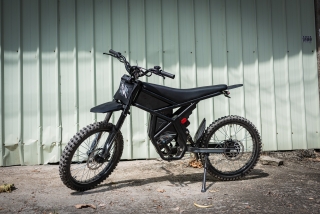
Electric Dirt Bikes
Know the Rules
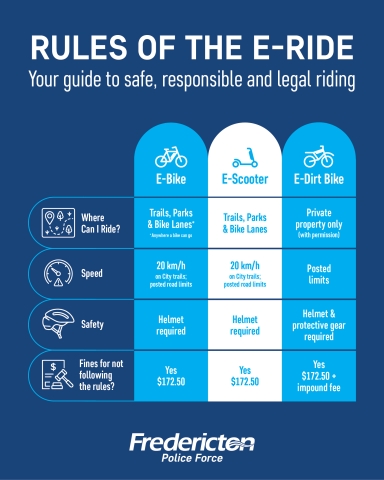
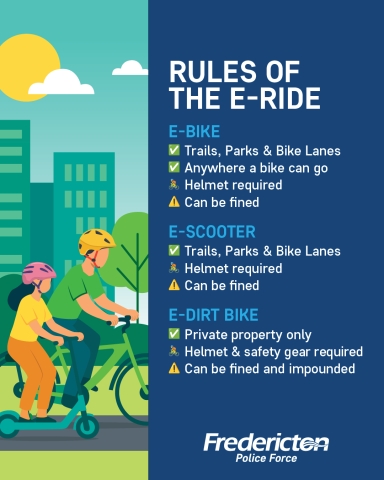
Electric dirt bikes are not considered bicycles under New Brunswick law. They are classified as motor vehicles intended primarily for off-road use and are only permitted to be driven on private property with owner permission.
Many electric dirt bikes are capable of speeds exceeding 70 km/h, creating safety concerns for pedestrians, cyclists, motorists, and other trail users.
✅ Permitted use:
Private property with the owner's permission
Designated off-road trails where permitted
❌ Not permitted use:
Streets and roads
Sidewalks
Parks and walking trails
Active transportation trails
School grounds
Parking lots
Other public spaces
Enforcement
Operating an electric dirt bike in a prohibited area may result in:
A fine of $172.50 under the NB Motor Vehicle Act
Vehicle seizure and impoundment at the owner's expense
Parents, owners, and riders are encouraged to familiarize themselves with the law before operating Electric dirt bikes.
E-Bikes
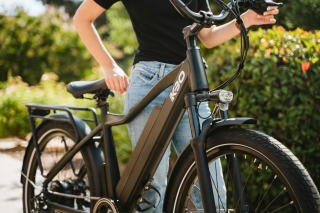
Pedal Assist, Electric Power
E-bikes provide electric assistance while maintaining many of the same rights and responsibilities as traditional bicycles. In New Brunswick, an e-bike is defined as a power-assisted bicycle with a motor of 500 watts or less and a maximum speed of 32 km/h. E-bikes are generally treated the same as regular bicycles under the law.
What You Need to Know
✅ Permitted use on trails, parks, and bike lanes ❌ No driver's licence required 🚴 Helmet required ⚠️ Riders may be fined for violations
Whether commuting, exercising, or exploring the city, riders should obey traffic laws, ride safely, and respect other trail and pathway users.
E-Scooters
Convenient, Electric Transportation
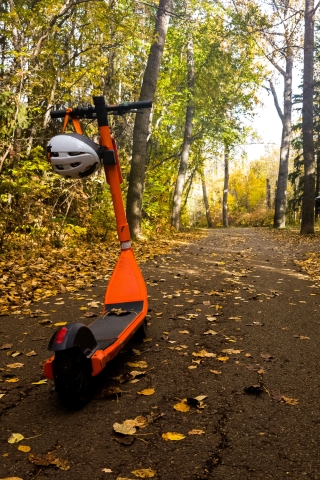
E-scooters offer a convenient and environmentally friendly way to travel short distances. In Fredericton, e-scooters are permitted on certain trails, in parks, and in bike lanes in accordance with municipal by-laws.
What You Need to Know
✅ Permitted on trails, parks, and bike lanes where allowed by municipal by-laws ❌ No driver's licence required 🪖 Helmet required ⚠️ Riders may be fined for violations
Whether commuting, running errands, or enjoying a recreational ride, e-scooter users should follow traffic laws, obey local regulations, and share pathways responsibly with pedestrians, cyclists, and other users.
An e-bike is a power-assisted bicycle that meets specific requirements under New Brunswick law, including a motor of 500 watts or less and a maximum speed of 32 km/h. An e-dirt bike is a motor vehicle designed primarily for off-road use. Although it is electrically powered, it is not considered a bicycle and is subject to different rules under the New Brunswick Motor Vehicle Act.
No. While they are all forms of electric mobility, they are classified differently under New Brunswick law and are subject to different rules regarding where they can be operated.
No. A driver's licence is not required to operate an e-bike or an e-scooter.
Yes. Riders of e-bikes and e-scooters are required to wear a helmet.
Yes. Riders who fail to comply with applicable laws, regulations, or municipal by-laws may be subject to enforcement action and fines.
E-bikes are generally permitted on roads, bike lanes, trails, and in parks, similar to traditional bicycles. Riders must obey all traffic laws and posted regulations.
No. Sidewalks are intended for pedestrians unless otherwise indicated by signage or regulation.
No. Electric dirt bikes are not considered bicycles under New Brunswick law. They are classified as motor vehicles designed primarily for off-road use.
Electric dirt bikes may only be operated where permitted by law, such as:
Private property with the property owner's permission
Designated off-road trails where permitted
No. Electric dirt bikes are not permitted on streets, sidewalks, parks, active transportation trails, school grounds, parking lots, or other public spaces.
Electric dirt bikes are capable of significantly higher speeds than many other micro-mobility devices and are designed primarily for off-road use. As a result, they are subject to different legal requirements and restrictions.
Riders may face enforcement action under the New Brunswick Motor Vehicle Act, including:
A fine of $172.50
Vehicle seizure and impoundment at the owner's expense
Motor vehicles must be registered and insured to operate on a highway. Electric dirt bikes do not meet Transport Canada and provincial equipment requirements for on-road vehicles and therefore cannot be registered for highway use.
An unregistrable vehicle is a vehicle that cannot legally be registered for use on public roads. This is different from an unregistered vehicle. An unregistered vehicle may be eligible for registration but has not yet been registered. An unregistrable vehicle cannot legally be registered at all.
Yes. Under the Motor Vehicle Act, police may seize and impound an unregistrable motor vehicle being operated unlawfully on a highway.
The owner is responsible for any costs associated with towing, moving, storing, and recovering an impounded vehicle.
Yes. The fact that a dirt bike is electric does not change where it can legally be operated.
Parents and guardians should familiarize themselves with the rules governing e-bikes, e-scooters, and e-dirt bikes before purchasing or allowing their use. Understanding where these vehicles can legally operate helps keep riders and the community safe.
For questions regarding the safe and legal operation of micro-mobility devices in Fredericton, contact the Fredericton Police Force or consult the applicable provincial legislation and municipal by-laws.